


Wednesday, 09 September 2026
Standards and Compliance
The National Construction Code (NCC) sets mandatory requirements for construction materials to help protect public safety. The pendulum slip test described in AS 4586, Appendix A, classifies pedestrian surfaces according to their frictional characteristics and slip resistance. Compliance requirements apply to residential buildings (Classes 1 and 10) and to multi-residential, commercial and public buildings (Classes 2 to 9).
Testing of new pedestrian surface materials is conducted in accordance with AS 4586:2013, Slip resistance classification of new pedestrian surface materials. AS 4663:2013 addresses slip-resistance testing of existing pedestrian surfaces.
How the Pendulum Slip Test Works
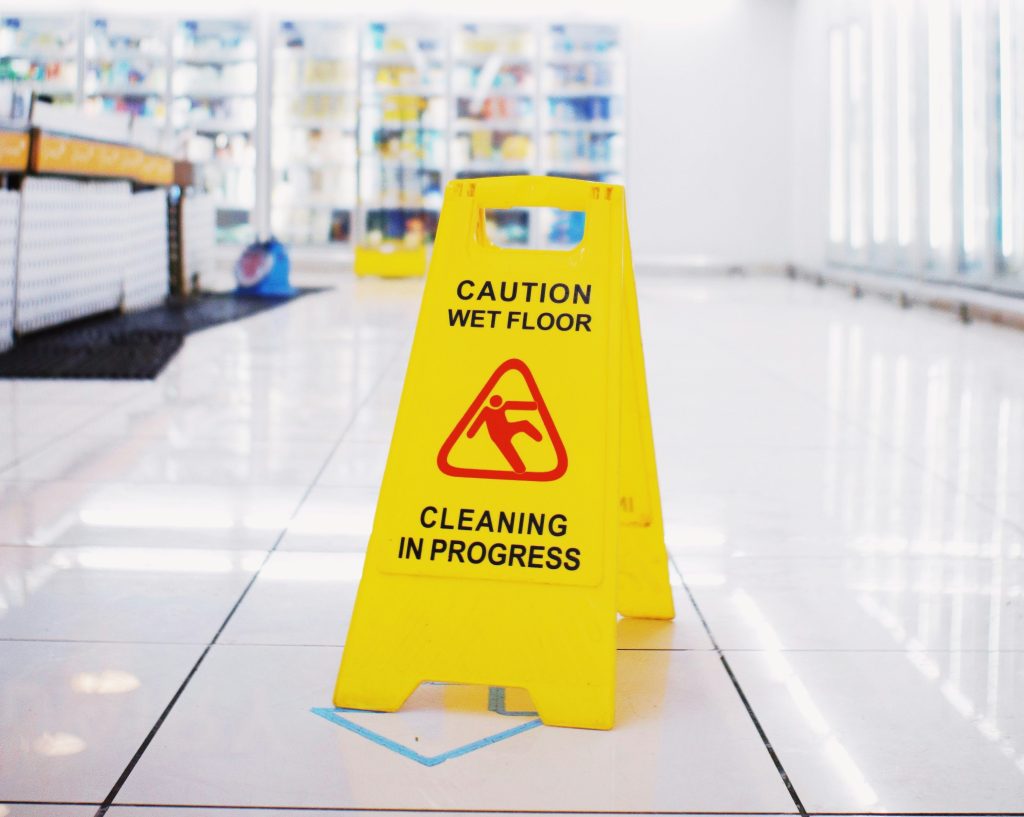
Pendulum slip testing is a standardised dynamic-friction test used to measure the slip resistance of flooring, particularly under wet conditions. A calibrated rubber slider mounted on a pendulum arm is released so that it travels across the test surface. The resistance generated between the slider and the flooring produces a slip resistance value (SRV); the height to which the pendulum swings back indicates the relative slipperiness of the surface.
Because surfaces generally provide greater slip resistance when dry, flooring is usually tested in a wet condition. The method may be varied for products intended solely for dry environments, such as carpet.
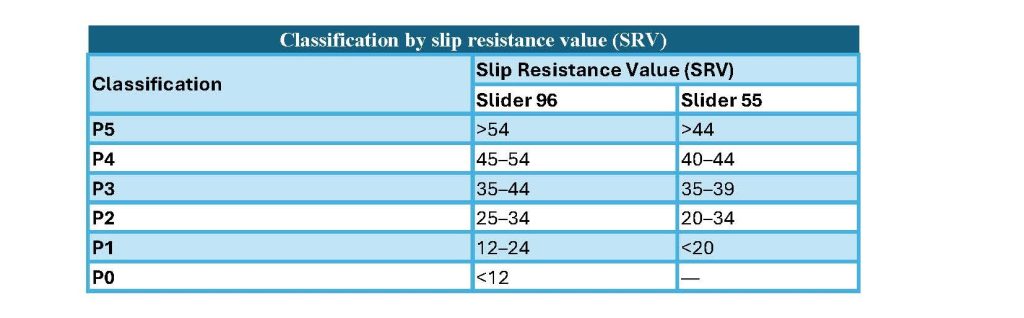
Slider 96 and Slider 55 are rubber blocks with different hardness ratings that attach to the base of the pendulum. Slider 96 is the most used, although either slider may be selected where appropriate. The test report must identify the slider used.
Slip Resistance Classification
Applications
- New product development and classification
- Assessment of flooring after installation
- NCC compliance verification
- Identification of potential slip hazards in public spaces
联系我们:
电话:03 9371 2400 或发送电子邮件: [email protected]