跳至主要內容

輸入您的搜尋關鍵字:

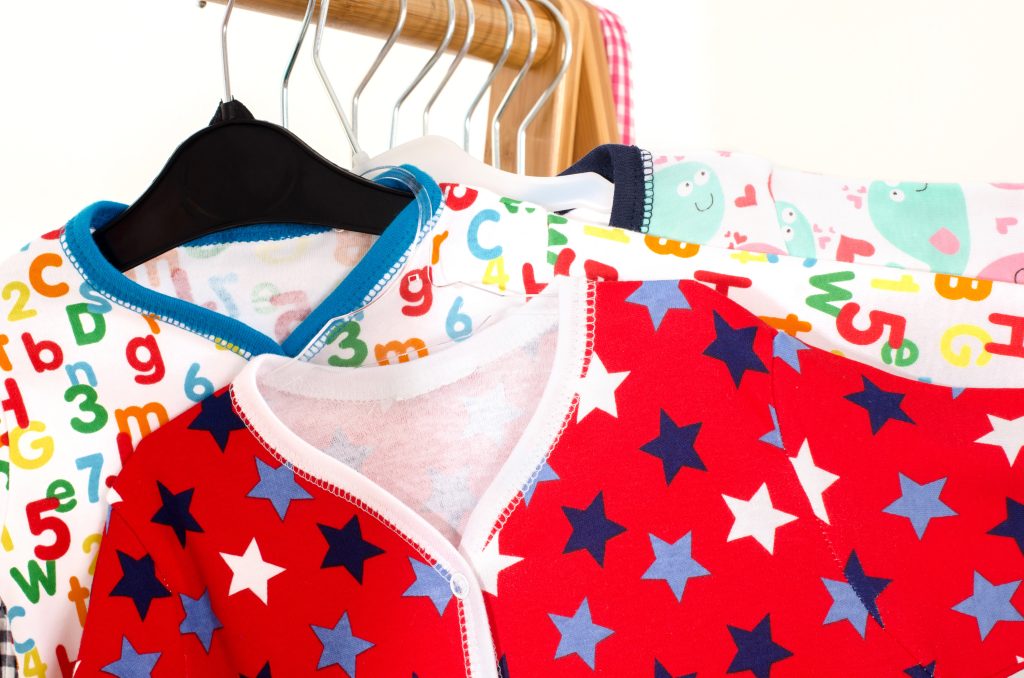
In addition to the fabric tests applicable to all apparel, children’s garments can require assessments more specific to their end user’s safety and comfort.

Nightwear

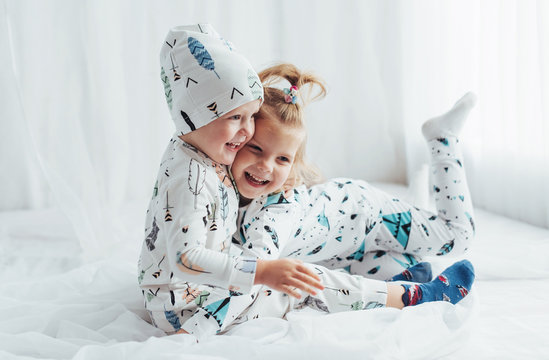
The Australian Consumer Goods (Children’s Nightwear and limited daywear and paper patterns for Children’s Nightwear) Safety Standard Safety Standard 2017 mandates that a wide range of infant and children’s clothing meets the requirements of, and is labelled in accordance with, the Australian standard AS/NZS 1249-2014. It captures garments that you would expect such as nighties, pyjamas, rompers and robes, but also includes products such as towels or blankets with arm openings.

Under the requirements of AS/NZS 1249-2014, infant and children’s nightwear garments can be assessed against the requirements of either Category 1, Category 2, Category 3 or Category 4 garments. Assessment and labelling requirements differ between the categories, and thus the testing requirements are dependent on the sizing, composition and structural makeup of the garment.

AWTA 產品測試獲美國國家測試機構協會 (National Association of Testing Authorities) 認可,可執行 AS/NZS 1249-2014 的所有相關測試和評估,並被視為兒童睡衣合規性的權威機構。.

鈕扣電池

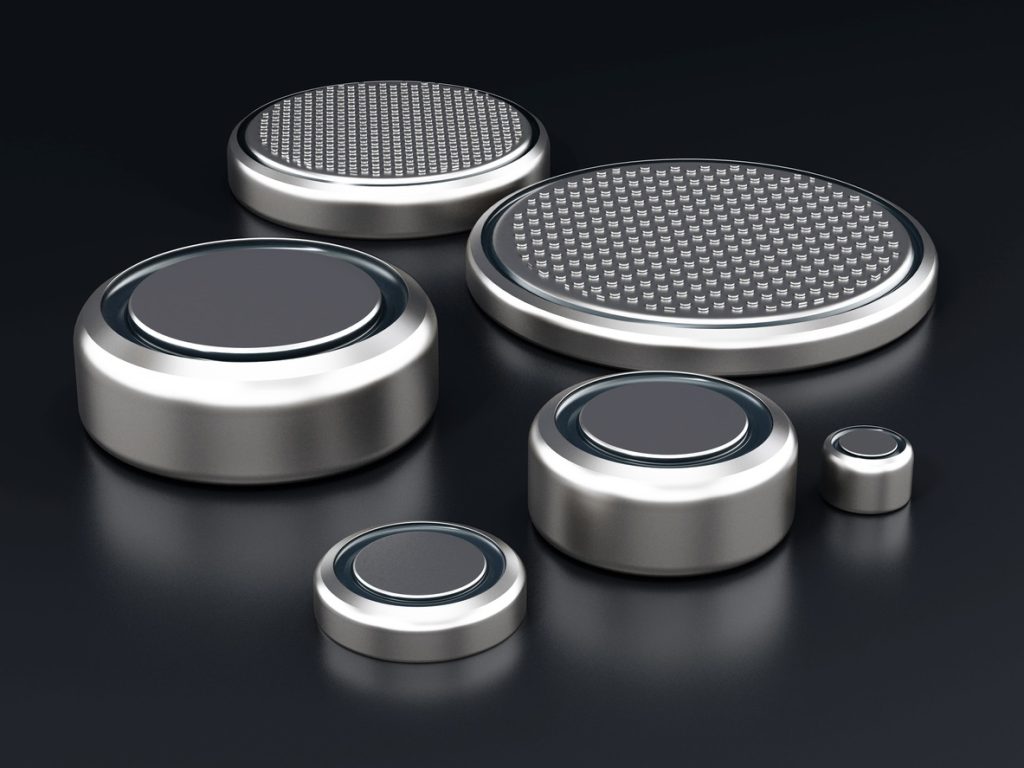
A set of safety standards relating to the use of Button batteries introduced by the Australian Government was mandated in Australia from June 2022. This introduction of legislation has now been echoed in a number of countries. The size and shape of these batteries make it easy for them to become lodged in a child’s airway when swallowed. If leakage is present, tissue damage to major organs can occur; and they can also emit a voltage if placed in an orifice such as the ear or nose.

The Australian Consumer Goods (Products containing button/ coin batteries) Safety Standard Safety Standard 2020 has mandated that any button or coin batteries are sold with adequate warning labels to alert consumers and educate the public; and also prescribe laboratory tests to ensure that with reasonable use or abuse of items containing the batteries, the battery remains inaccessible.

小零件

The attachment strength of small parts such as snap fasteners, buttons and trims on children’s garments and toys is considered highly important. Loosely attached, they can easily become a choking hazard for a small child.

校服

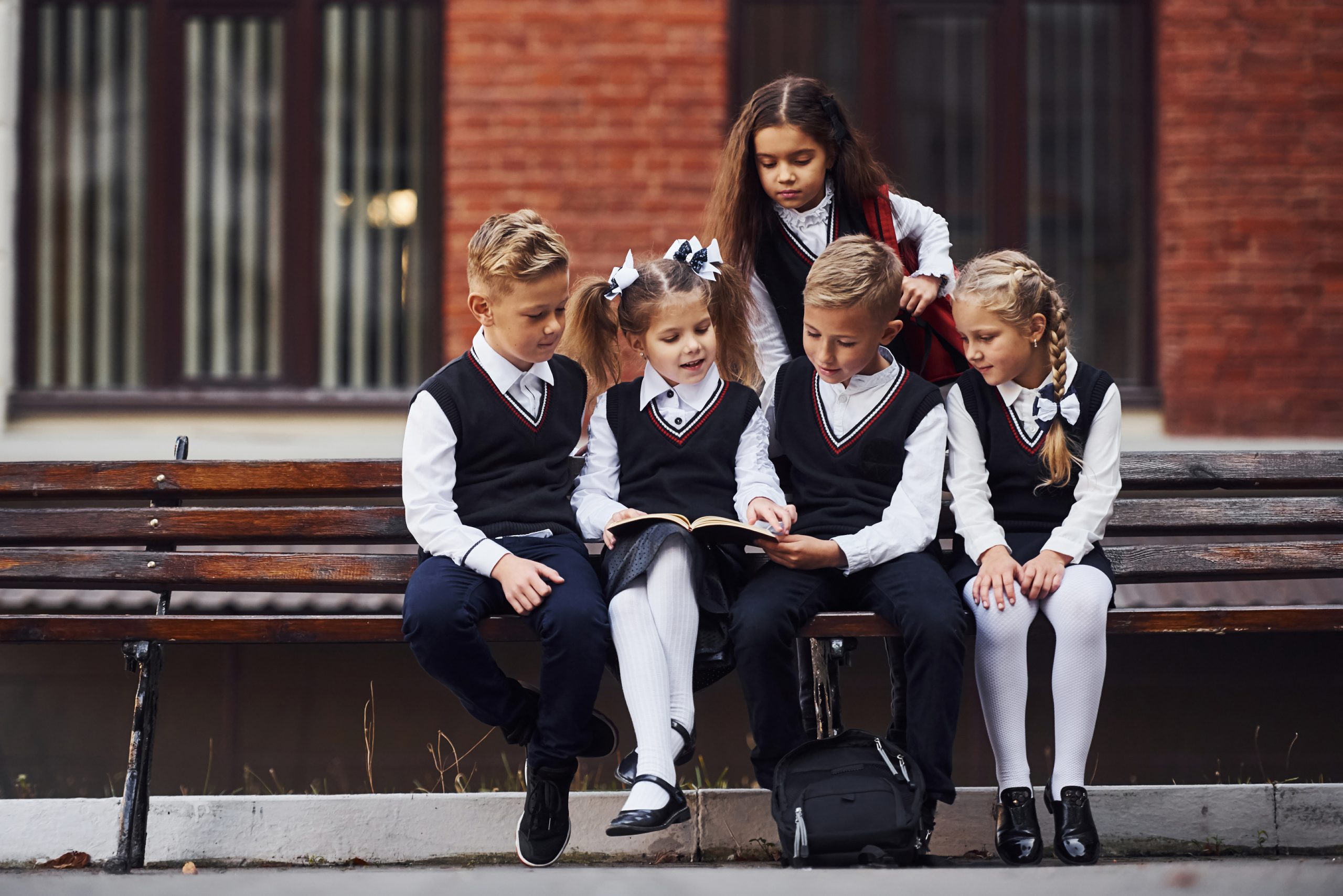
Selecting an appropriate fabric is more than just a matter of appearance; it will directly impact the wearer’s comfort, performance, and overall experience.

  • School uniforms need to withstand the rigours of daily wear and tear. Durable fabrics ensure the uniform lasts longer.
    • Tear strength
    • Bursting strength
    • Stretch and recovery
    • Abrasion resistance tests
    • Pilling resistance tests
    • Snagging resistance
  • Fabrics that are easy to care for reduce the burden on parents and caregivers, ensuring the uniform looks neat and professional with minimal effort.
    • Dimensional stability to washing
    • Spirality
    • Colourfastness
    • Stain resistance
  • Students spend a significant portion of their day in a uniform. Fabrics should be appropriate for the local climate, keeping students warm in winter and cool in summer.
    • Thermal resistance
    • Breathability
    • Wicking
    • Water repellency

化學品意識

澳洲競爭與消費者委員會 (Australian Competition and Consumer Commission, ACCC) 也針對紡織品生產和整理過程中可能使用的有害化學物質提供了指引。.

  • 甲醛含量(某些消費品中特定化學物質濃度的安全指南(ACCC,2014年)
  • 偶氮染料是用於各種消費品的合成著色劑,包括食品、化妝品、地毯、衣服、皮革和紡織品。.

熱舒適

The thermal comfort of children is a fundamental parental concern, and in addition to fire safety, information on the TOG rating of nightwear and bedding is important in purchasing decision making.

A TOG Rating is a measure of thermal resistance used in the textile industry to indicate the amount of expected insulation provided by the item.